A Beginner-Friendly Way to Clean Up an Old Task Backlog
An old backlog can feel like a drawer full of loose paper. Some tasks still matter, some are outdate…
TaskManageCore is built around the first habits that make task management usable: capturing open tasks, rewriting vague items, sorting priorities, and reviewing what is unfinished.


The course does not begin with a complex app setup. It starts with the decisions behind any useful system: where a task is collected, what the next action is, when it matters, and whether it belongs on today’s list, the backlog, or a waiting status.
A calmer way to choose the next task.


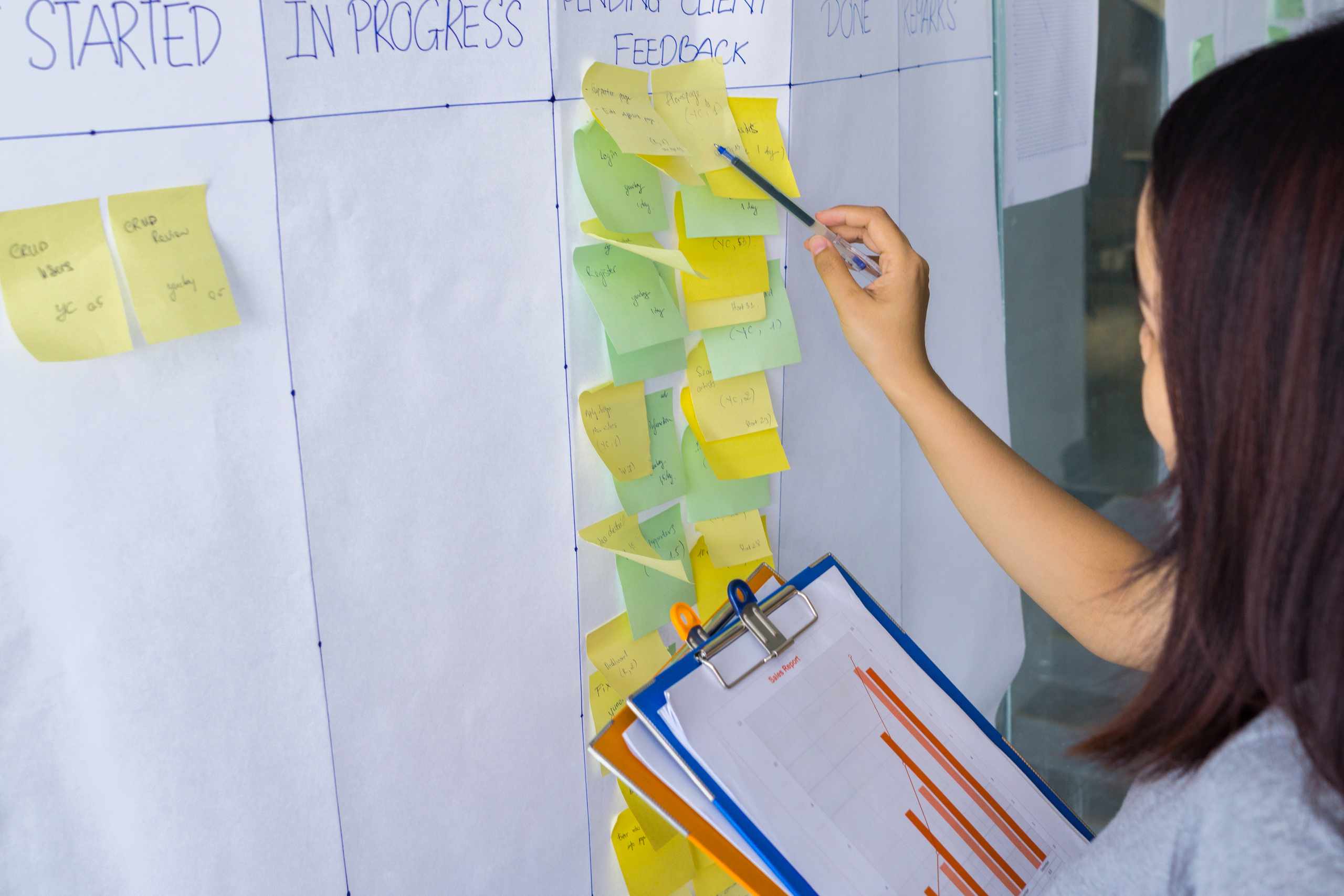
An old backlog can feel like a drawer full of loose paper. Some tasks still matter, some are outdate…

A task list becomes easier to use when every item has a role. Without roles, a deadline due today ca…

Today’s list often becomes crowded because it is used for too many jobs at once. It holds urgent wor…

A task list can look full and still give you very little direction. “Project,” “emails,” “presentati…
A scattered task list usually begins outside the list: reminders in your head, notes in different places, and deadlines mixed with ideas. The course practices one reliable inbox first, then shows how to separate tasks, notes, waiting items, and real next actions.

Progress comes from checking the list, not just filling it. Learners practice short daily and weekly reviews, notice blocked tasks, clean old backlog items, and adjust workload estimates so the task system stays simple enough to keep using.